






























Brava: Drivers and residents demand urgent action on the access road to Cachaço
Drivers and residents of Cachaço, on Brava Island, are calling for urgent action on the access road to the town due to its severe state of disrepair. The situation, reported by Inforpress, is affecting traffic, vehicles, and economic activities in the area.
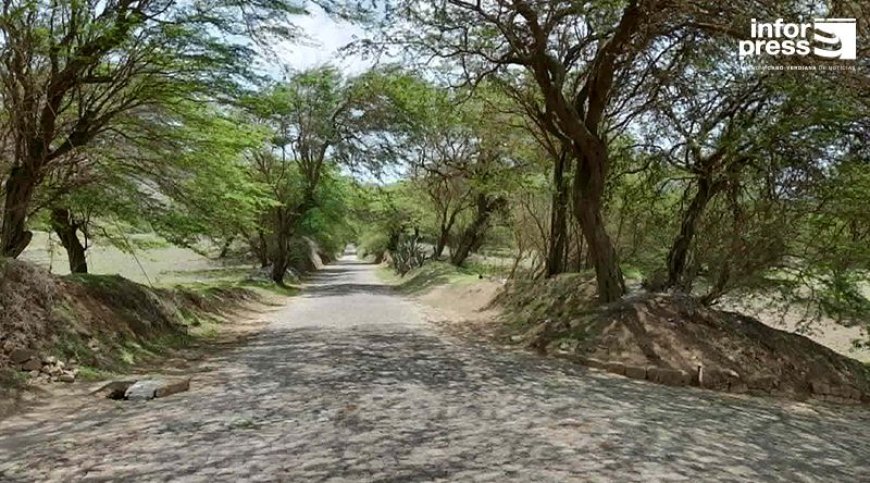
Drivers and residents of the town of Cachaço, on Brava Island, are calling for urgent action by the authorities regarding the access road to the community, claiming that the road is in terrible condition.
The situation was reported by the Inforpress news agency, which spoke with drivers and others affected by the road’s condition.
According to driver José Rodrigues, the road has potholes and uneven surfaces along its entire length—a problem that, as he explained, has persisted for several years despite occasional maintenance work.
For road users, the repairs carried out so far have not been sufficient to permanently resolve the existing problems, and more extensive work is needed.
António de Pina, owner of a rock crusher located near the road, also argues that the situation has gone beyond the need for simple maintenance work and that the road requires reconstruction.
According to sources interviewed by Inforpress, the poor condition of the road has a direct impact on vehicles and on economic activities in the area. Some drivers are reportedly avoiding using the road due to the risk of damage to their vehicles, which also hinders the transport and collection of materials.
Residents and drivers also pointed out that improving the access road to Cachaço had been a promise made by the previous government and argue that national authorities and the Brava Municipal Council must find a solution to the problem.
The road is considered important for the population’s mobility and for the transport of materials and goods; therefore, the complainants argue that its rehabilitation should be treated as a priority.
They maintain that improvements to the road could enhance safety and traffic flow, reduce damage to vehicles, and contribute to the development of economic activities in the communities served by the road.